

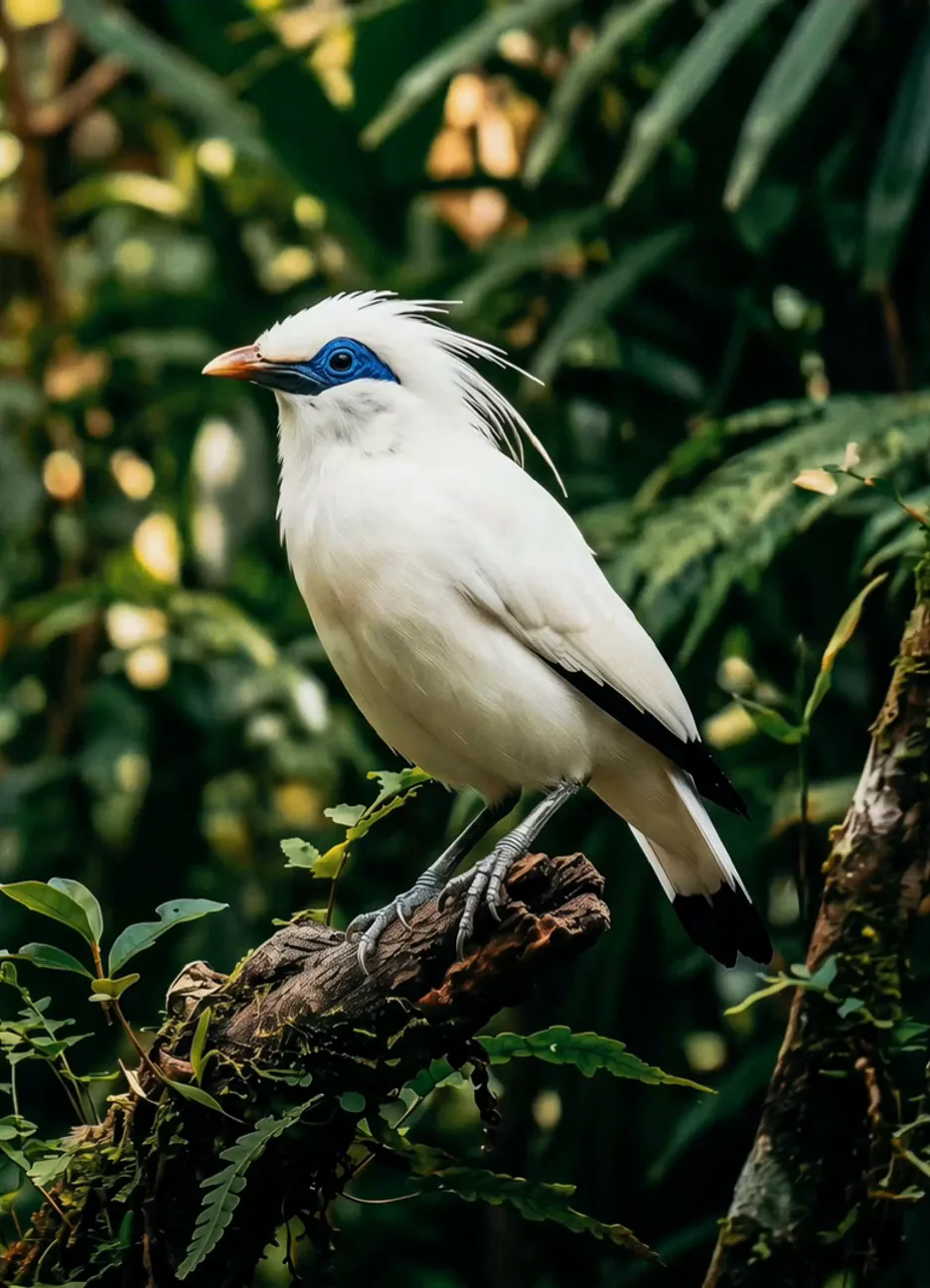
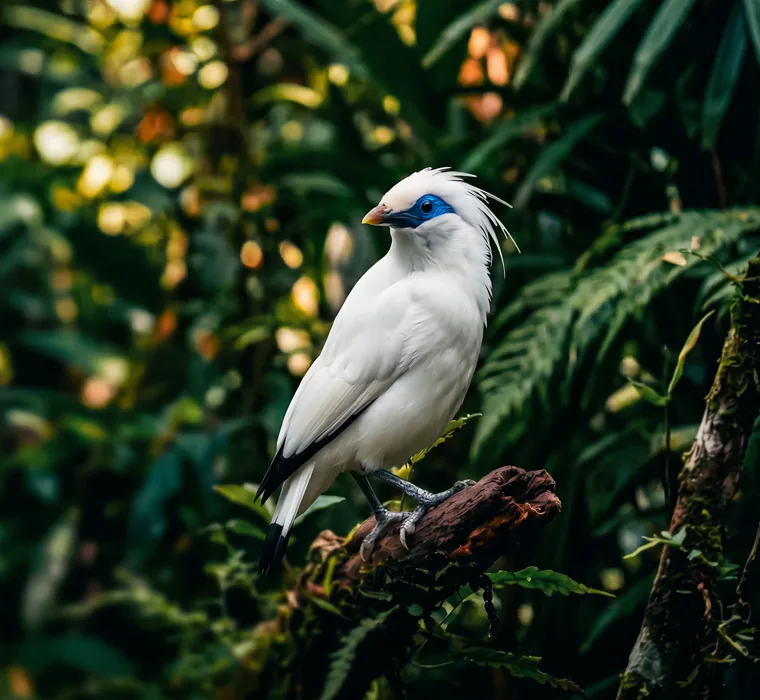
The last endemic vertebrate
on Bali
The story of a bird, an unwritten law,
and an island that chose to honor it.
Lives nowhere
else on earth

Leucopsar rothschildi. Described 1912.
Critically Endangered ever since.


on the 200–rupiah coin
Only 309
birds
survived into
1990
Six known wild birds.
Forty-three years of legal protection.
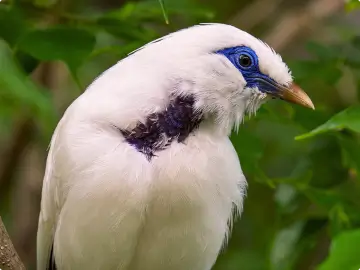
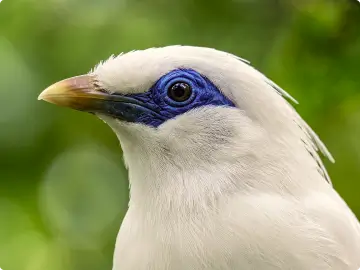
The ban did not protect the bird. It priced it.
In the 1990s, a pair fetched up to 40 million rupiah on the black market. Years of a park ranger's salary. Enforcement across thousands of islands was a losing game. And for some, owning one illegally was the whole point.
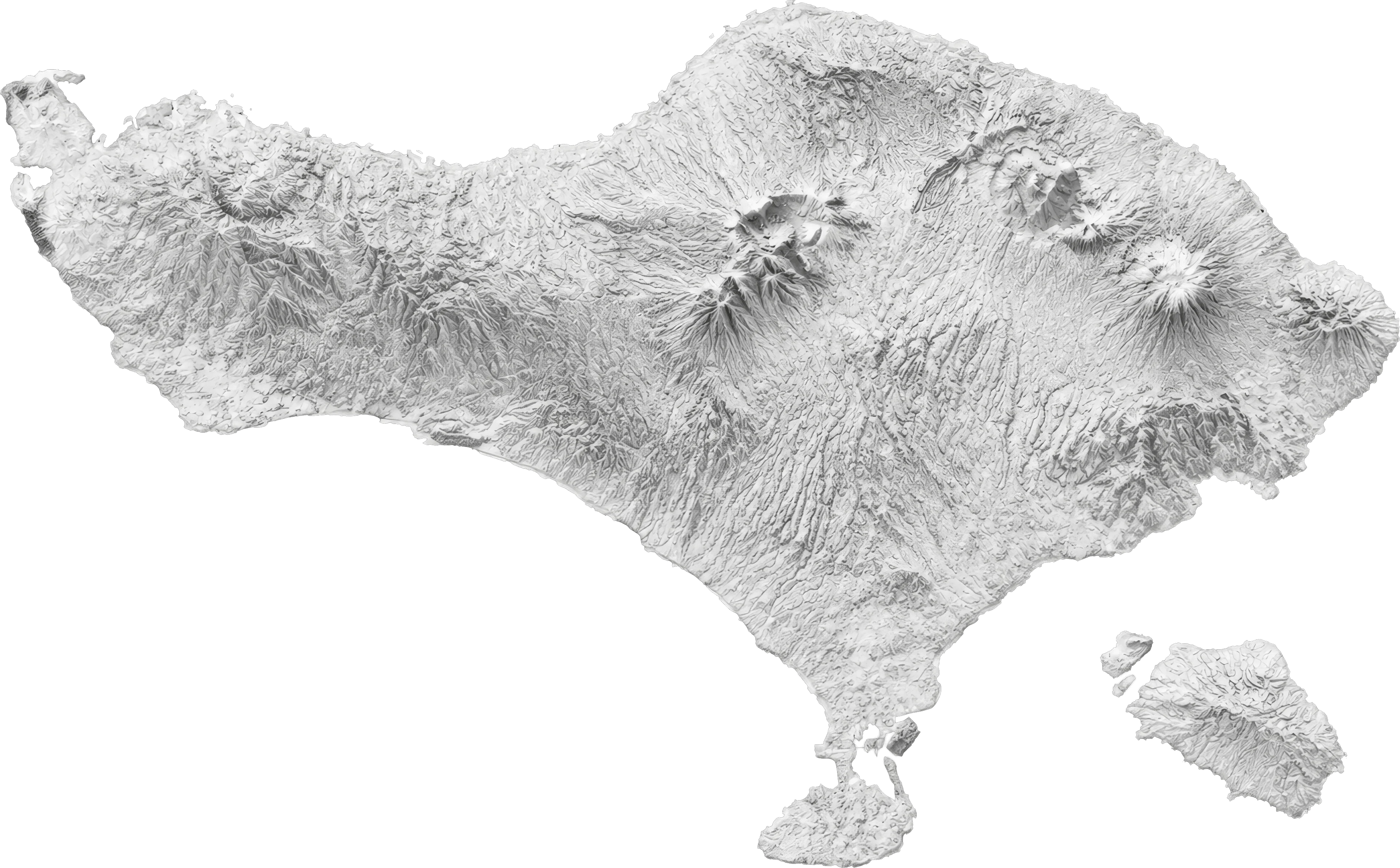
Indonesia has more than 17,000 islands
But these birds are found only here
The veterinarian
who started it all
In the early 2000s, veterinarian Bayu Wirayudha went from village
to village across Nusa Penida. He met people at weddings,
ceremonies, and community gatherings. He explained
the problem and asked for their support.
And all the villages agreed to help

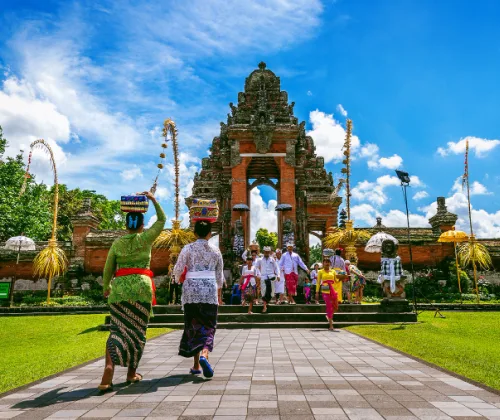
Awig-awig is Hindu customary law.
It is established by the community, not the government.
By breaking it, you haven’t broken the law. You’ve broken a promise
that everyone made to each other. And that is more serious.
Community decided
to protect the bird
Enforcement doesn’t wait for a ranger.
Everyone in the village is watching.
What happens if you break the law
and you pay a fine.
the entire village.
food, you pay them cash.
at the temple. Publicly.

National Park
tried something different
West Bali National Park started lending birds to local breeders. Raise them. Sell them. Send ten percent back to the wild.
~$2,000
per pair on the black market.
~$200
Same bird. Legal supply.
Just above 500 birds today.
Scientists consider 500 individuals a stable population.
But the bird is not saved.
Most still nest in boxes people built for them.
It is not living wild. It is being kept.